
For many people who walk through the doors of The Collins Center, it is one of the most difficult moments of their lives. They arrive carrying experiences they never expected to face and questions they may not yet have answers to. In those moments, what matters most is not having every next step figured out. What matters is knowing someone is there for them.
Some people arrive ready to talk through their options. Others simply need a place to start. What they find is a team prepared to listen, answer questions, and provide support without judgment or assumptions about what the right path forward should be.
That approach has guided the Collins Center's work for more than thirty years as they have supported survivors and families across Rockingham County, Page County, Harrisonburg, and the surrounding communities.
Pursuing Recovery in Many Ways
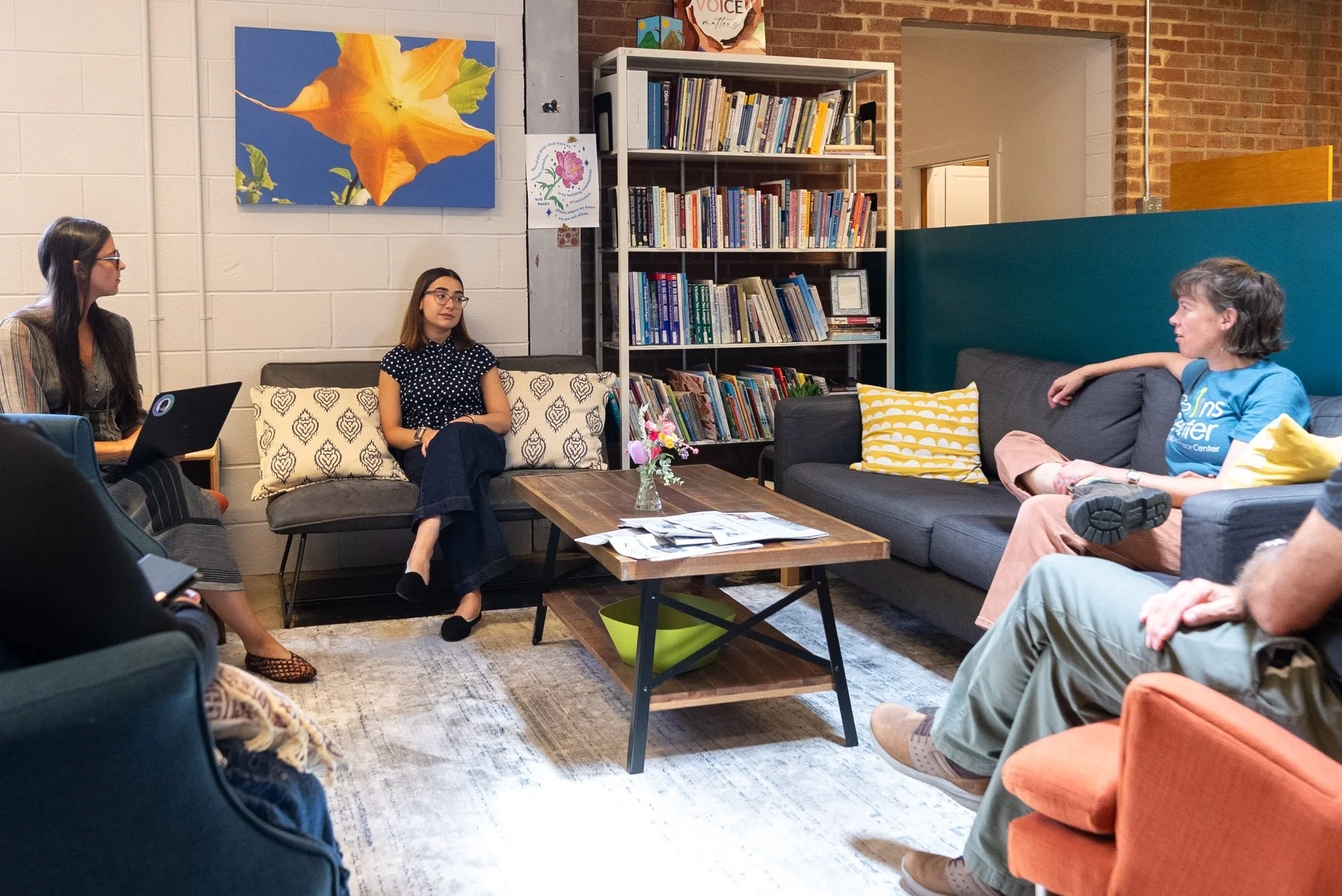
One of the things that stood out most in our conversation with the Collins Center team was how different healing can look from person to person. As they put it “The work of healing rarely follows a straight path.”
For some survivors, healing may involve working with law enforcement, participating in court proceedings, or pursuing justice through the legal system. For others, healing may mean focusing on stability, maintaining employment, finding housing resources, or simply reclaiming a sense of normalcy in daily life.
At The Collins Center, there is no expectation that every person should move forward in the same way. Instead, the organization focuses on providing information, support, and options so survivors can make decisions that feel right for them. Their role is not to direct the journey, but to walk alongside those taking it.
Encouraging Choice Through Consideration
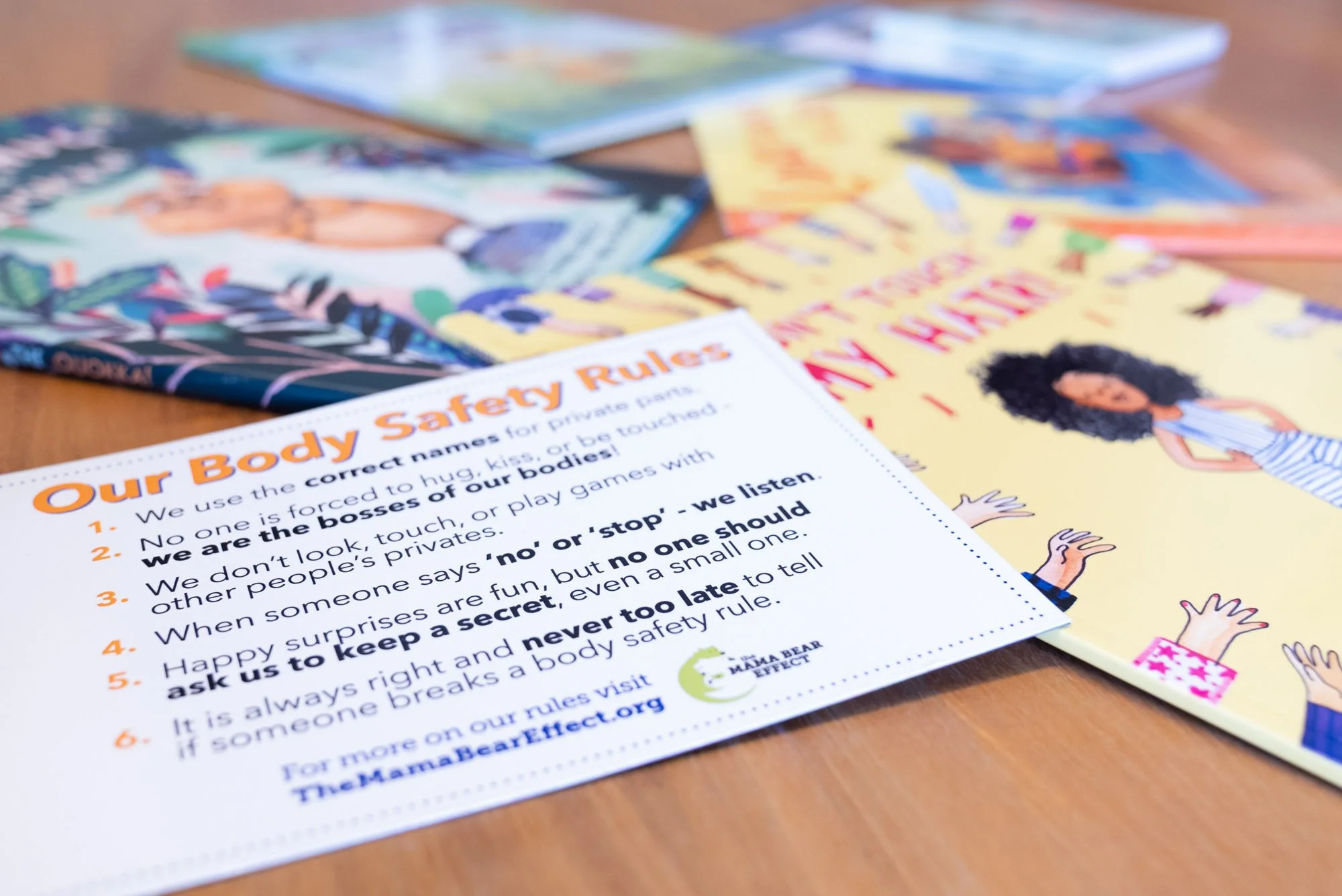
A trauma-informed approach shapes every part of the Collins Center's work.
To build understanding, trauma-informed care recognizes the lasting effects trauma can have on a person's sense of safety, trust, and control, and responds in ways that avoid causing further harm.
After experiences where choice and control may have been taken away, having those choices returned matters.
Conversations are approached with care, clarity, and a commitment to informed decision making. Survivors are empowered with resources, advocacy, and evidence-based support that allows them to choose their own path forward. Every story is different, and every response should honor that reality.
Support That Reaches Further
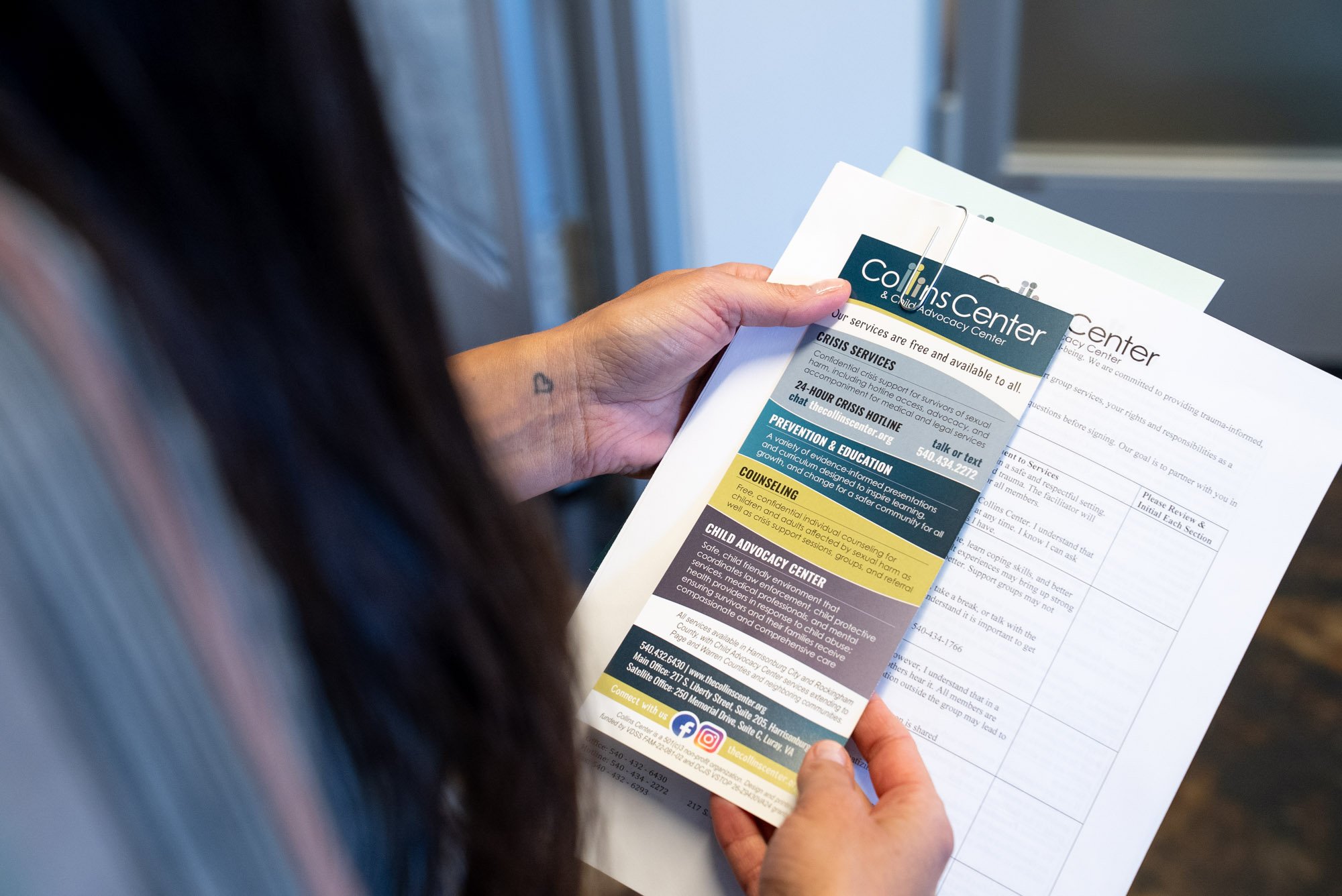
While many people know the Collins Center for the support they provide survivors of sexual violence, their work reaches even further into the community.
Their team provides prevention education, trauma-informed counseling, advocacy services, and support for loved ones who are navigating these experiences alongside survivors. Through their nationally accredited Child Advocacy Center, they also work collaboratively with community partners to support child victims of abuse and their non-offending caregivers.
Organizations like this often do some of the most important work in the quietest ways. Their impact is measured not only in programs or services, but in the moments where someone realizes they do not have to face an impossible situation alone.
The Importance of Being There
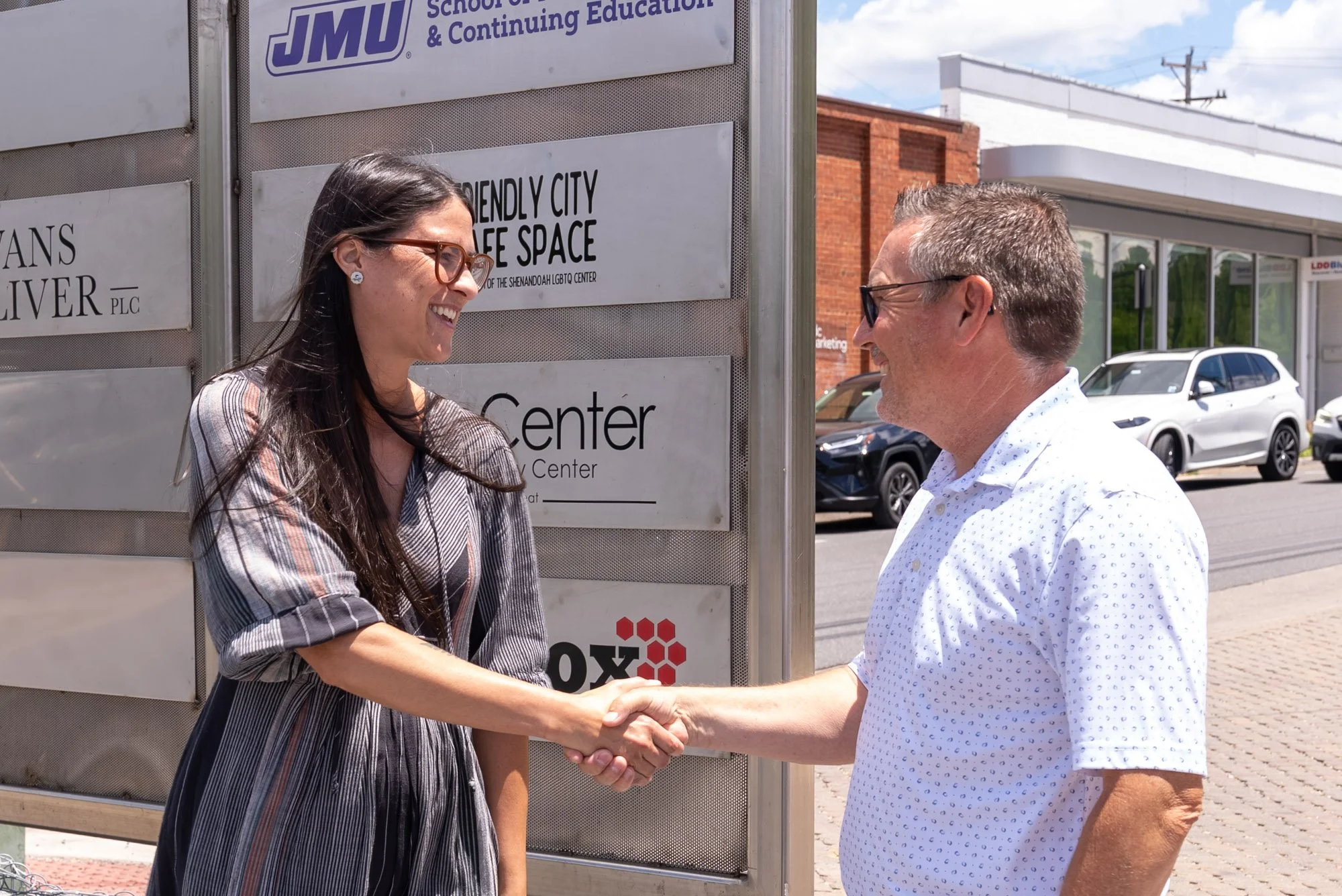
At LD&B, supporting our community means supporting the organizations that care for our neighbors during moments when support matters most.
The Collins Center has spent more than three decades building services that are compassionate, responsive, and centered around the people they serve. Their commitment to survivors, families, and children has made a lasting difference throughout our region, and their goal of continuing that work for the next thirty years is one we are proud to support.